
The Shifting Sands of the Iran-Israel Conflict
The recent 12-day flare-up between Iran and Israel may have quieted, thanks to a US-brokered ceasefire, but the echoes of the conflict reverberate, offering crucial insights into the evolving dynamics of the Middle East. Recent developments highlight both Iran’s surprising resilience and Israel’s bold, if unconfirmed, claims, painting a picture of a region still on edge.
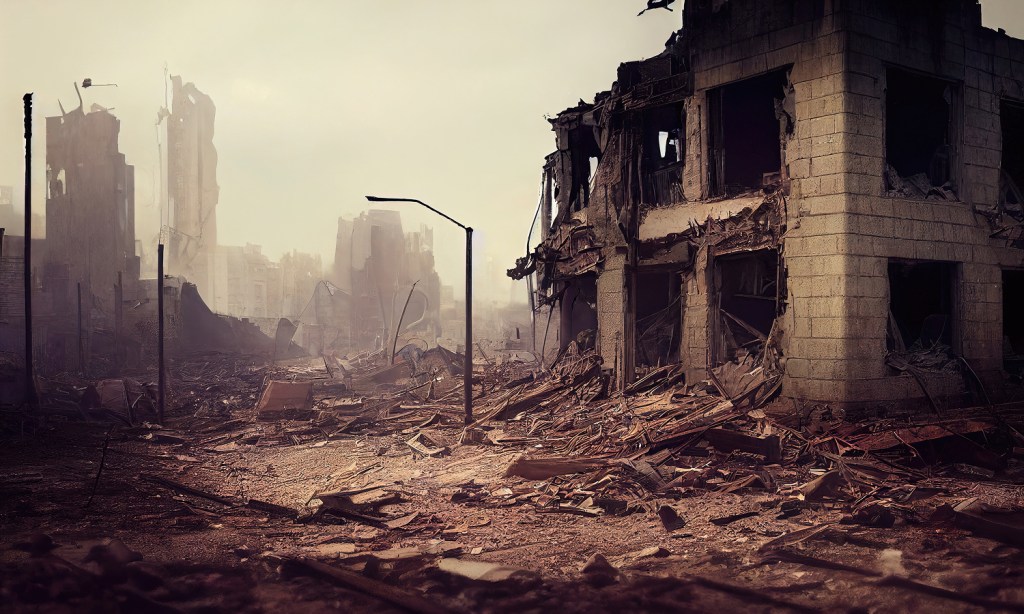
One of the most striking pieces of news comes from Iran’s Nour News agency, reporting that a damaged unit of the South Pars refinery is back in operation. This is a significant development, especially given that the South Pars gas field is the world’s largest and a cornerstone of Iran’s energy infrastructure. The fact that a unit, reportedly hit in Israel’s initial strikes, could be repaired and brought back online in approximately 10 days underscores Iran’s capacity to absorb blows and quickly recover. It suggests that while the strikes certainly inflicted damage, they may not have been as crippling as some initial assessments suggested, at least in the energy sector. This rapid recovery could embolden Iran in future confrontations, signaling that its critical infrastructure is more resilient than anticipated.
Meanwhile, Israel has put forth a provocative claim: that Iran’s Supreme Leader, Ayatollah Ali Khamenei, avoided assassination during the conflict by going “underground.” This assertion, while unverified by independent sources, adds another layer of intrigue to the narrative. If true, it speaks volumes about the intensity of the Israeli offensive and the perceived threat to Iran’s highest authority. It also suggests that Israel’s targeting went beyond military and nuclear facilities, aiming at the very heart of Iranian leadership. Khamenei, for his part, has since resurfaced, warning against future U.S. attacks and claiming victory over the “fallacious Zionist regime.” His defiance, coupled with the alleged near-miss, indicates that the psychological warfare between the two nations remains as potent as the kinetic one.
These latest revelations, coming shortly after the ceasefire, paint a complex picture. Iran’s swift recovery of its energy infrastructure signals its determination and capacity for self-reliance in the face of adversity. Simultaneously, Israel’s claim about Khamenei’s movements, whether accurate or a strategic play, emphasizes the high stakes involved and the potential for targeted strikes against leadership.
The fragility of the current truce is undeniable. While the world breathes a collective sigh of relief, the underlying tensions and the unresolved issues that fueled this recent escalation remain. The Iran-Israel conflict is not merely a regional skirmish; it’s a strategic chess match with global implications. As both sides assess the damage, mend what’s broken, and perhaps, re-evaluate their strategies, the international community watches with bated breath, knowing that even a temporary quiet can quickly give way to another storm in this volatile corner of the world. The recent highlights are a stark reminder that in the Middle East, resilience and rhetoric often go hand-in-hand, shaping a future that remains profoundly uncertain.


 World Info Hub
Leave a comment